No products in the cart.
Head Spa Room Setup Checklist for Salons and Spas
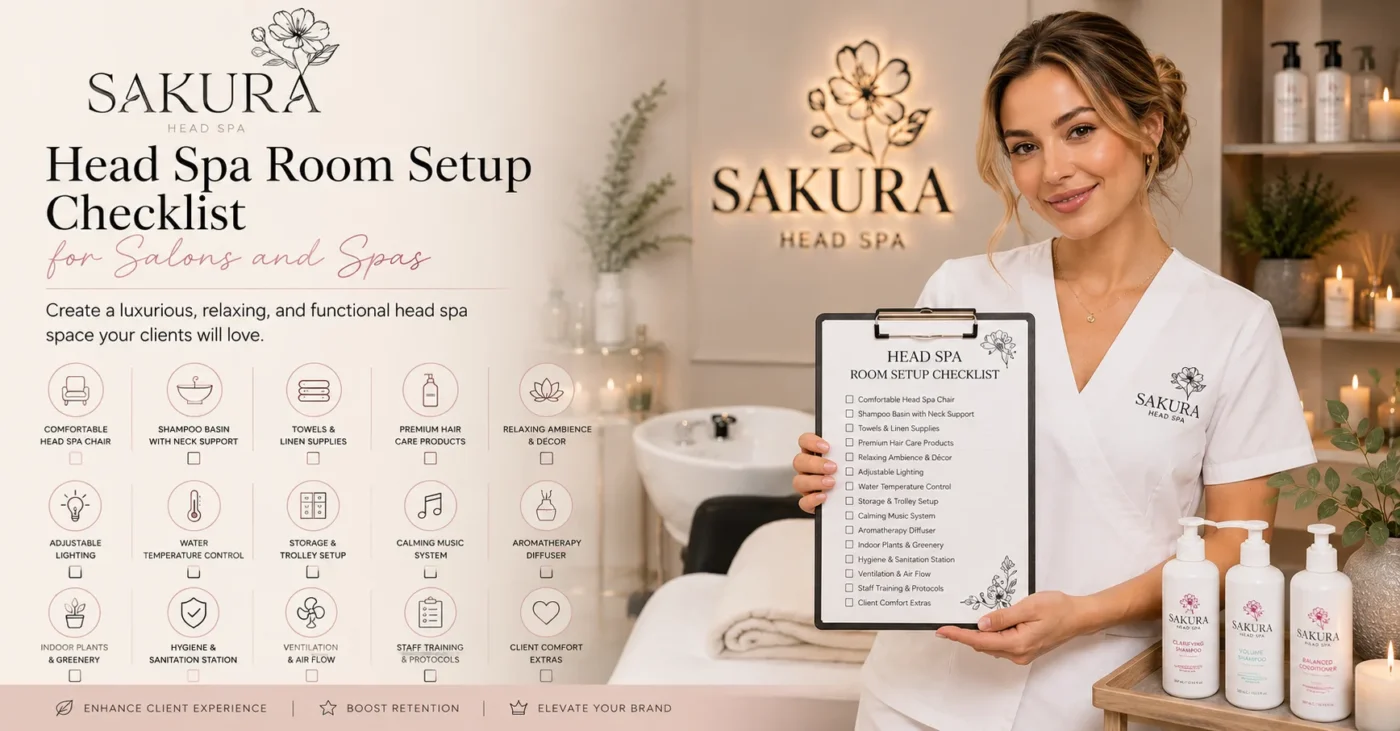
Putting a Japanese head spa onto your salon menu is, honestly, one of the more profitable business moves you can make this year. Lately, people seem to move away from just superficial styling, and they lean more toward holistic scalp care, so the demand for these immersive treatments keeps smashing past targets and breaking industry records too. However, executing a flawless head spa experience requires far more than simply ordering a water halo and a mattress bed. Your physical space layout must be engineered for complete relaxation, seamless utility management, and flawless staff productivity.
When you are remodeling an existing hair clinic , or starting a brand new facility all the way from scratch, careful preparation keeps you from pricey construction do-overs . This ultimate room setup checklist is meant to cover space planning , the plumbing mechanics , sensory ambience, and hygiene workflows, so you can build a very efficient oasis for your crew and clients.
1. Space Planning and Room Dimensions
A truly premium scalp treatment leans on the feeling of privacy, not just the product itself. If your layout makes clients hear buzzing hair dryers, or worse loud reception chatter, the therapeutic value kind of drops, a lot. Ideally the head spa space should be tucked away inside a enclosed room, or at least a partitioned zone with acoustic wall panels, so everything stays calmer.
For a comfortable single station setup, aim for a minimum room footprint of ten feet by twelve feet. This kind of floor plan lets your technician move in full circle— three hundred and sixty degrees— around the head of the bed, reach the counter cabinets, and work the water controls without tripping over cords or bumping into walls.
2. Water Infrastructure and Plumbing Requirements
Water handling is the absolute operational engine of your treatment room. Before signing off on any expensive construction blueprints, you must decide between a permanently plumbed system and a self-contained portable unit. A permanently wired model connects directly to your main commercial hot water loops and standard wastewater drainage, reducing turnaround downtime between appointments.
If you opt for a plumbed setup, consult a licensed trade professional early to ensure proper water pressure and adequate commercial-grade drain sloping. For spaces where drilling into subfloors is forbidden by commercial lease terms, a self-contained portable configuration offers an instant plug and play solution using integrated fresh water and wastewater storage containers.
3. Ergonomic Seating and Spa Mattresses
Because a comprehensive scalp ritual generally spans anywhere from forty-five to ninety minutes, client comfort is paramount. Regular standing salon shampoo bowls will quickly trigger pretty severe neck fatigue and a kind of physical restlessness you cant ignore. Instead, you might want to try full-flat ergonomic massage beds that come with soft memory foam cushioning and, sort of, built in lumbar support systems.
The matching technician stool must also feature effortless height adjustments and smooth-rolling caster wheels. This prevents occupational strain on the specialist during long, massage-intensive treatment protocols.
The Head Spa Setup Checklist at a Glance
| Setup Category | Core Requirements | Operational Impact |
| Space Planning | 10×12 ft space, acoustic insulation, private zoning. | Eliminates distracting main-floor salon noise. |
| Water Handling | Dedicated water pressure lines, hot loop, or internal tanks. | Ensures consistent water halos and rapid room turnover. |
| Seating Comfort | Full-flat memory foam beds, ergonomic stools. | Prevents client neck stiffness during long treatments. |
| Ambience Design | Dimmable LED lights, aromatherapy, soft music player. | Induces immediate parasympathetic nervous system calm. |
| Hygiene Workflow | Towel warmers, UV sanitizers, chemical line flushes. | Meets state health board regulations for clean skin services. |
4. Sensory Ambience and Lighting Controls
If you want premium luxury pricing, your room styling kind of has to show a quiet, tranquil vibe. Those bright, clinical overhead fluorescent lights will ruin the whole sensory feeling fast. So swap raw bulbs for soft dimmable warm LED fixtures, or use indirect perimeter lighting with subtle strip details instead.
Also, tuck in a high fidelity speaker setup that s hidden out of view, so you can play gentle ambient nature soundtracks, rain field loops, or even meditative instrumental tones. And to engage every sense, add a cool mist essential oil diffuser, running calming notes of pure lavender, local eucalyptus, or cedarwood.
5. Towel Logistics and Specialized Linen Management
Head spa treatments use a high volume of thick linens per client session. Your checklist must include a high-capacity hot towel warmer cabinet located right inside the treatment room. Steaming towels infused with essential oils are perfect for melting away structural tension around the neck and shoulders during the initial relaxation phase.
Ensure you have a designated, enclosed hamper space for soiled towels to prevent musty damp odors from pooling within your beautifully designed guest room zone.
6. Retail Merchandising and Cleaning Station Workflows
The true financial profitability of a head spa business relies heavily on your retail product curation. Position a backlit glass display shelf showcasing premium scalp serums, detoxifying scrubs, and nourishing botanical aftercare collections right at eye level near your exit door. Clients will naturally want to purchase the specialized home care essentials required to preserve their balanced scalp results between appointments.
Finally, design an integrated chemical cleaning station. Between every guest booking, your team must have the space to thoroughly flush the water halo rings, wipe down the waterproof mattress vinyl with hospital-grade disinfectants, and sterilize manual tools using a compact UV cabinet.
Pro Tip: Always select matte, slip-resistant flooring options like premium luxury vinyl plank tile or treated concrete. The continuous misting from water halos can easily settle onto smooth floors, creating major slip hazards for your busy team.
Let Us Design Your Perfect Layout
Before purchasing any equipment or hiring contractors, make sure to download and print our essential Japanese Head Spa Checklist to ensure your plumbing and dimensions align perfectly with your salon’s layout.
Mapping out utility flow lines, checking plumbing lines, and sourcing matching ergonomic equipment can feel completely overwhelming when you are busy managing your day to day salon work. If you want to eliminate guesswork and build a flawless, high profit space, you can book recommendation call sessions with our design experts at Sakura Head Spas USA.
Ready to launch your new room setup? Discover our full range of professional equipment by browsing our dedicated product category catalog, or fast-track your business expansion with an all-inclusive starter package kit. If you are focused on upskilling your current salon staff, explore our professional training page for step-by-step masterclasses. Business entities looking to secure exclusive fleet equipment pricing structures can submit a wholesale enquiry form directly on our main website.
Frequently Asked Questions
What type of water heater works best for high-volume head spas?
Tankless, on-demand commercial gas or electric water heaters are pretty much highly recommended. They deliver what feels like an endless stream of hot water, so your water halo keeps a steady, laid-back temperature, without ever getting to that point where you run out halfway through long treatments.
Do I need a special commercial license to open a head spa room?
Licensing rules for a head spa can be a bit different, depending on state and local jurisdiction. In most areas across the United States, people who work as head spa technicians usually need a current cosmetology or esthetics license , and the treatment space has to follow the usual salon plumbing codes.
How do you prevent mold and mildew growth inside an enclosed spa room?
Since water halos and steam hoods can pump out quite a bit of humidity, you need to install an active mechanical ventilation fan setup or, maybe, a dedicated commercial dehumidifier unit to safeguard your wall and ceiling surfaces. If you don’t, the moisture can linger around, and that can be a problem, for real.